You’ve done the work. You’ve refined your process, elevated your craft, built a reputation that precedes you. You’ve even raised your prices.
But the inquiries aren’t reflecting it. You’re still hearing from clients who hesitate at your rates, who want to negotiate scope, who don’t quite grasp what they’re investing in.
Most of the time, the problem isn’t your services. It’s your signal.
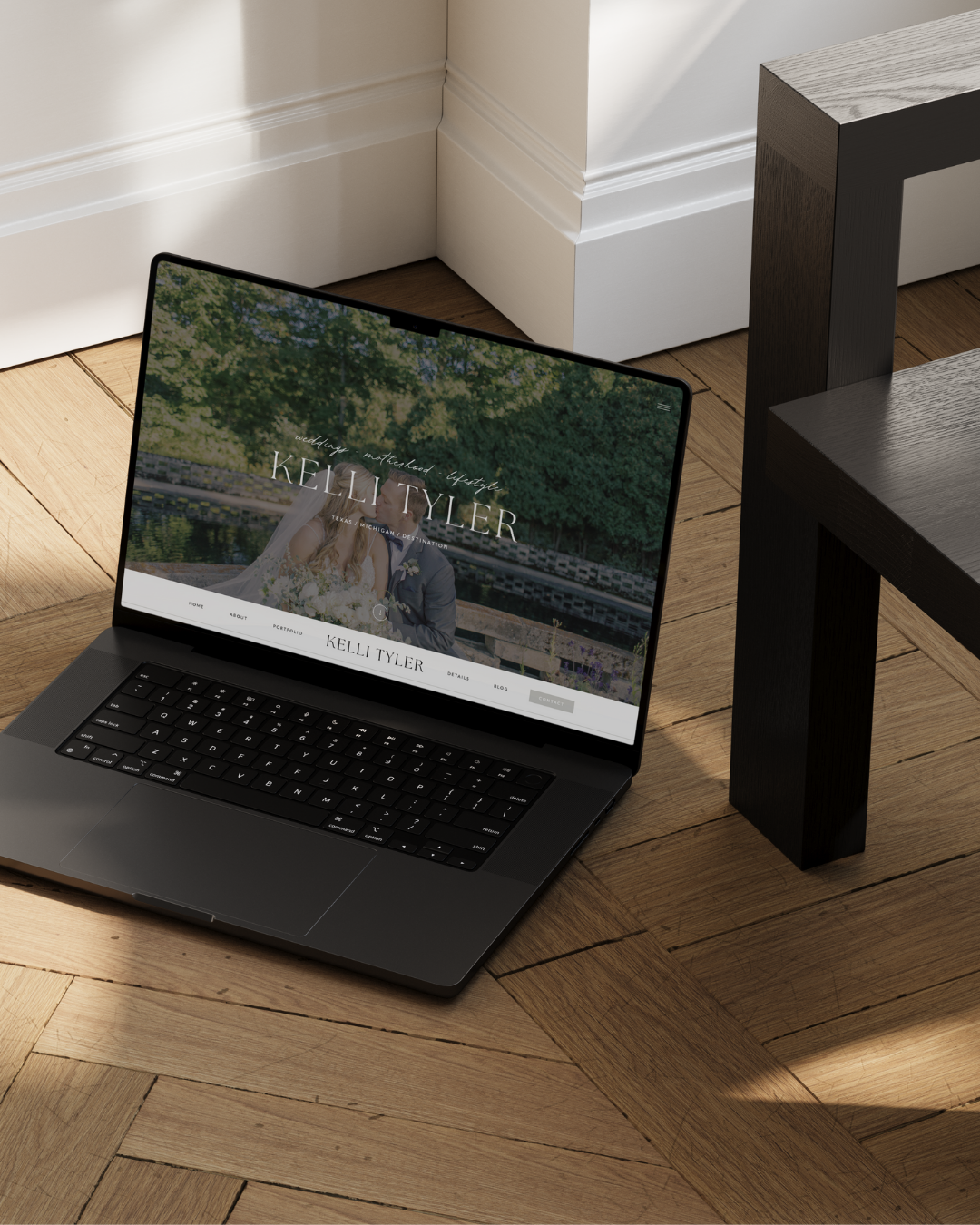
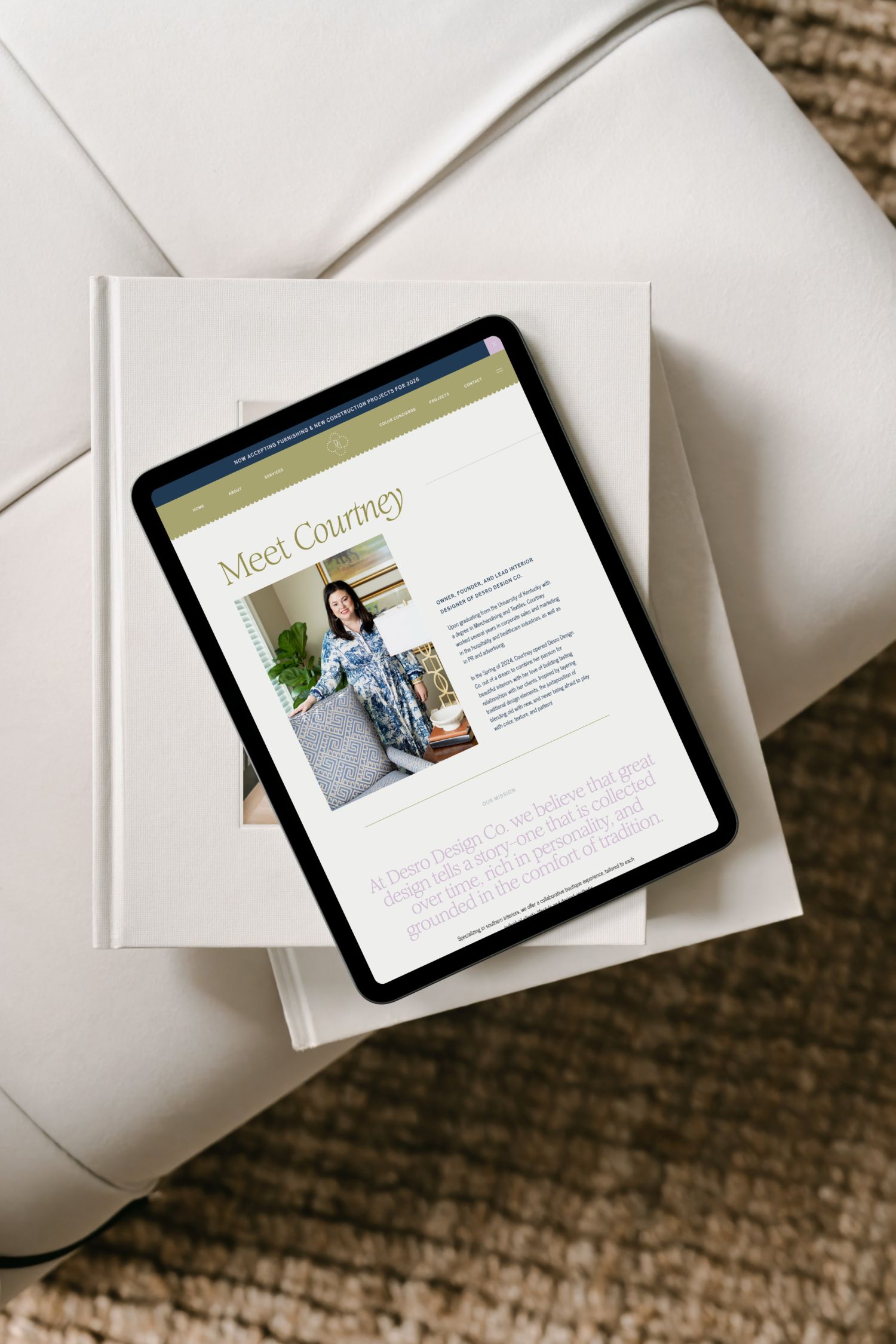
Higher-investment clients don’t just search for the best — they look for alignment. They want to see evidence, through your brand and your website and the way you present yourself, that you understand them and operate at their level. When that evidence isn’t there, they keep looking.
Here are five specific ways your brand and website either attract those clients — or quietly turn them away.
1. Your visual quality signals your price point before anything else
Before a prospective client reads a single word of your copy, they’ve already formed an impression. They’ve seen your logo, scrolled your homepage, glanced at your portfolio. In those first few seconds, they’re making a judgment about whether you’re someone they’d invest in.
This isn’t superficial — it’s how trust works.
Women who regularly invest at the four and five figure level are surrounded by quality. They know what considered design looks like, and they notice immediately when something doesn’t match — even when they can’t explain why.
A brand that looks dated, generic, or put together quickly doesn’t just undermine your credibility. It signals that you’re not operating at the level they’re looking for. Even if your actual work is exceptional, they may never get far enough to find out.
What this looks like in practice: your logo, color palette, typography, and website design should feel like they belong in the same category as the work you’re charging for. Not trendy. Not flashy. Intentional, refined, and clearly crafted.
2. Your website should pre-qualify, not just inform
Most websites try to appeal to everyone. They hedge on specifics. They’re built to avoid turning anyone away.
But premium clients don’t want a website that’s for everyone. They want one that’s clearly for them.
When your site is vague about who you serve, what the investment looks like, and what kind of experience to expect, higher-investment clients have to do too much work to figure out if you’re the right fit. And they won’t do that work — they’ll move on to someone whose site makes them feel immediately understood.
What this looks like in practice: your homepage shouldn’t explain every service you offer. It should establish who you are, who you work with, and what the experience of working together is like. Language matters. “Investment begins at” gives the right clients the context they need. Vague language attracts vague inquiries.
3. Your photography carries more weight than you might think
Design can only do so much when the imagery it’s working with isn’t calibrated to your positioning.
Stock photos, inconsistent photography, low-resolution images mixed in with professional work — all of it introduces visual noise that undercuts even the strongest design. And the clients you’re trying to reach are paying close attention to that, whether they realize it or not.
This doesn’t mean you need a full brand shoot before anything else can move forward. But it does mean being intentional about the imagery you use: consistent lighting, a cohesive aesthetic, photography that feels aligned with the quality of your work and the clients you want to attract.
What this looks like in practice: your portfolio images should be high quality and representative of the work you want to do more of. If older or lower-end projects are still on your site because you haven’t gotten around to updating, they’re shaping the impression visitors form before they ever reach your contact page.
4. Your copy should speak to their experience, not your services
Service-first copy is one of the most common website mistakes — and it’s easy to understand why it happens. You know your services well, so that’s what you write about.
But premium clients are sophisticated. They’ve likely worked with other service providers before. They’re not looking for someone to explain what brand design is. They’re looking for someone who understands their specific situation, their goals, and what’s at stake.
Copy that speaks directly to the problems they’re navigating — feeling like their brand no longer reflects the business they’ve built, knowing something is off but not knowing how to name it, wanting to show up with more confidence in how they present themselves — is copy that makes them feel genuinely seen.
When someone reads your website and thinks “this is exactly what I’ve been experiencing,” you’ve done the hardest part of earning their trust before they’ve ever reached out.
What this looks like in practice: lead with your client’s experience, not your credentials. Move away from “I offer brand design and website design for creatives” and toward something that reflects what it’s actually like to work with you and what changes for your clients when you do.
5. The client experience starts before the project does
The experience of hiring you begins before anyone books. It starts with how your website feels to navigate. It continues with how clearly and warmly you respond to an inquiry. It extends through your process, your communication, your deliverables.
Premium clients are accustomed to premium experiences, and they notice when a process feels thoughtful and considered — just as they notice when it doesn’t.
Your brand and website are the very first touchpoints in that experience. If they feel polished and intentional, they set an expectation that everything that follows will match. If they feel thrown together, that expectation follows too.
What this looks like in practice: think about what happens after someone submits your contact form. What do they receive? Does it feel warm and considered, or generic? The small details of your client experience signal whether you operate at the level they expect.
Attracting higher-investment clients isn’t about luck or perfect timing. It’s about alignment — between the quality of your work and how your brand, website, and positioning represent it.
Every element covered here is within your control. And when all of it is calibrated to the clients you’re trying to reach, something shifts. The right people recognize you. The wrong ones quietly move on. Which is exactly how it should work.
If you’re ready to close that gap, I’d love to talk through what it looks like for your business. Get in touch and let’s start there. →
+ view the comments